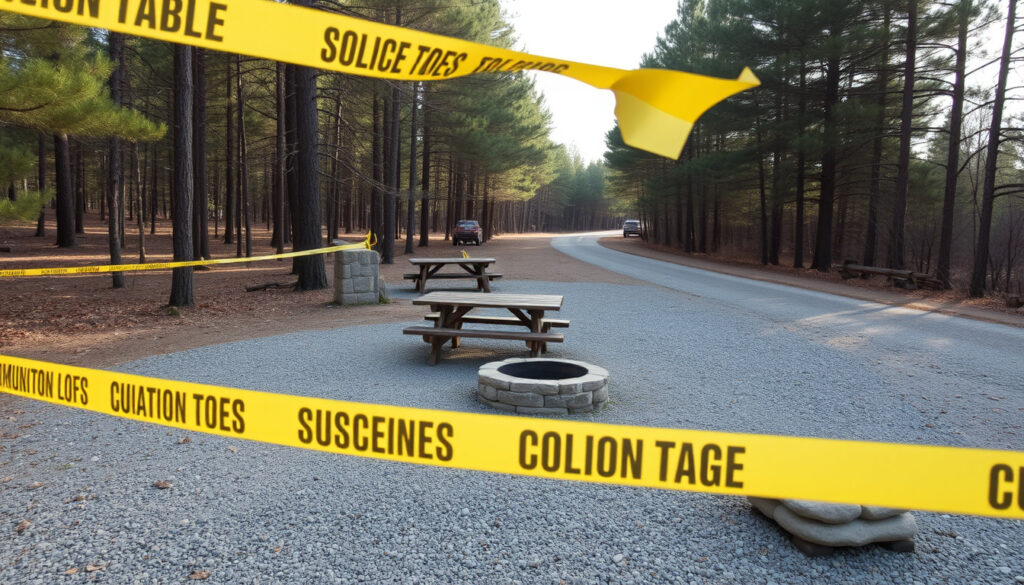
Stolen Campsite Picnic Table: Bucks Road Theft Shocks Community
When volunteers installed a new macrocarpa picnic table at Bucks Road Campsite on 2 December, it took thieves only two days to saw off and steal roughly 2.4 metres of dressed wood. The incident left Wairarapa’s DOC staff and the community reeling — and raised questions about how shared outdoor amenities are protected.
Theft Location: Bucks Road Campsite, Wairarapa · Date Reported: December 2025 · Built By: Volunteers · Stolen After: Two days · Standard Picnic Table Length: 6-8 feet
Quick snapshot
- A 10 ft macrocarpa picnic table was installed on Tuesday 2 December at Bucks Road Campsite (DOC Official)
- Approximately 8 ft of the table was sawn off and stolen after two days (DOC Official)
- DOC referred the matter to police under reference OR-2321290N (Mirage News)
- The identity of the perpetrators remains unknown
- The exact financial value of the stolen parts is estimated at $4000 but not confirmed
- Tuesday 2 December: Volunteers install table
- Thursday: Table discovered damaged with ~2.4m missing
- December 4-5: News reports and DOC statement
- DOC may seek funding for a replacement table
- Police investigation continues under reference OR-2321290N
- Community groups could face decisions about future volunteer-built amenities
The table’s specifications and the theft details are summarised below.
| Field | Detail |
|---|---|
| Primary Location | Bucks Road Campsite, Wairarapa |
| Theft Date | Early December 2025 |
| Table Status | Brand new, volunteer-built |
| Community Impact | Disheartened volunteers |
| Standard Size | 6-8 feet long |
What is a standard size picnic table at a campground?
Campground picnic tables in New Zealand typically follow a standard size range to accommodate groups safely. Understanding these dimensions helps contextualise why the Bucks Road theft was particularly significant — volunteers had crafted a full-sized table, not a compact model.
Common measurements
A standard campground picnic table measures between 6 and 8 feet (1.8–2.4 metres) in length, designed to seat 6–8 people comfortably. The table at Bucks Road Campsite was on the larger end of this spectrum at 10 feet (3 metres), reflecting the community’s commitment to providing genuine shared amenity for visitors.
Space requirements
Campsite managers typically allocate a minimum footprint of 10×10 feet for a picnic table setup, allowing clearance for chairs on all sides. The stolen portion — approximately 2.4 metres of dressed timber — represents the majority of a standard table’s surface area.
The Bucks Road table at 10 ft was oversized for convenience theft, suggesting the perpetrators had transport and intent beyond opportunistic grab-and-go.
What to use as a table when camping?
When permanent campground amenities are damaged or stolen, campers need reliable alternatives. Portable options range from ultralight folding frames to improvised surfaces that can be set up quickly at any site.
Portable options
Folding camping tables have become a staple for Kiwi campers who move between sites frequently. These range from aluminium roll-top designs costing $30–80 to modular systems that snap together in seconds. For group camping, tailgate-style tables measuring 4–5 feet offer a balance between portability and seating capacity.
DIY alternatives
Experienced campers sometimes improvise using available natural materials — flat rocks, log rounds, or packed earth platforms covered with a groundsheet. While less stable than manufactured tables, these solutions require no transport and leave no trace.
What is an alternative to a picnic table?
Campground operators facing repeated theft or vandalism increasingly turn to alternatives that balance durability, cost, and replacement ease.
Portable tables
Secured storage lockers for portable tables represent one approach some campgrounds are trialling, allowing campers to bring their own while keeping them on-site. These range from simple lockable bike racks adapted for folding tables to purpose-built storage cages costing $200–500 per site.
Creative substitutes
Some campgrounds have experimented with log bench-and-platform combos using locally-sourced timber treated against weather. These are harder to saw off in sections and often blend into the landscape, reducing theft appeal compared to a finished, visible picnic table.
Are camping tables worth buying?
For frequent campers, the question of whether to invest in a personal camping table depends on usage patterns, group size, and how often they visit sites with uncertain amenity conditions.
Pros of ownership
A quality folding camping table typically lasts 5–10 years with proper care, making the per-use cost minimal for regular campers. Ownership also ensures a consistent, level surface regardless of campground conditions or vandalism.
When to skip
Casual campers visiting established holiday parks may find personal tables unnecessary, as these facilities typically maintain permanent furniture. However, remoteDOC campsites and less-managed areas increasingly see amenity gaps that personal equipment fills.
The shift toward personal camping gear reflects broader uncertainty about shared amenity maintenance at New Zealand’s budget campgrounds, where volunteer contributions face theft risk.
How much space is needed for a picnic table?
Campsite designers recommend allocating adequate clearance around any picnic table, whether permanent or portable. The Bucks Road incident highlights how theft often targets exposed, easy-to-access furniture positioned away from main structures.
Footprint dimensions
A standard 6–8 foot picnic table requires a minimum clear space of 10×10 feet when surrounded by chairs. Larger tables like the 10-foot Bucks Road installation may need 12×10 feet to maintain usability after chair placement.
Campsite layout
Campground operators increasingly position picnic tables near ranger stations or security cameras where possible. At remote sites like Bucks Road, where such oversight is limited, vulnerability increases — making the two-day window between installation and theft a stark reminder of how quickly damage occurs. For a broken zipper pull, you can find instructions on how to fix it at $rikkinäisen vetoketjun vetimen korjaus.
Timeline of the Bucks Road theft
The sequence of events unfolded rapidly, leaving little time for intervention.
| Volunteers install the 10 ft macrocarpa picnic table at Bucks Road Campsite west of Greytown | |
| DOC staff discover the table damaged; approximately 2.4 metres of dressed wood missing | |
| News outlets report the theft; DOC issues official statement calling the act “incredibly selfish” | |
| DOC refers the matter to police under reference OR-2321290N |
What we know — and what we don’t
Confirmed
- Theft at Bucks Road confirmed by DOC and Stuff.co.nz
- Volunteer construction verified — table built by locals, not purchased
- Police received a report under reference OR-2321290N
- Prior theft of corrugated iron from Western Lake Reserve shelter earlier in 2025
Unclear
- Exact value of stolen parts (estimated at $4000 but not verified)
- Identity of perpetrators
- Whether similar thefts are occurring at other Wairarapa campsites
- DOC’s replacement plans and funding timeline
Community reaction and official response
The theft has shocked and disappointed the Wairarapa community, which had invested volunteer hours in the table’s construction. DOC has referred the matter to police, urging anyone with information to contact authorities quoting reference OR-2321290N.
“It is incredibly selfish to destroy and steal brand new facilities that were provided by volunteers for campers to enjoy,” said Principal Ranger Briggs Pilkington, calling the theft a blow to DOC staff and the wider community.
— Briggs Pilkington, Principal Ranger, DOC (DOC media release)
Police confirmed receiving a report of the theft and are investigating.
— 1News (1News report)
This theft follows an earlier incident at Western Lake Reserve shelter, where corrugated iron was stolen earlier in 2025. The pattern suggests Wairarapa’s DOC sites face ongoing targeted vandalism, making future volunteer-built amenities a continued risk without improved security measures.
Related reading: Latest Crime News NZ · Ben Lomond Hike Queenstown
Frequently asked questions
What happened to the picnic table at Bucks Road Campsite?
A 10-foot macrocarpa picnic table installed by volunteers on 2 December was discovered damaged two days later, with approximately 8 feet of timber sawn off and stolen. DOC has referred the matter to police.
Why are picnic tables targeted in campsite thefts?
Picnic tables at remote campsites are often targeted because they contain valuable treated timber, are positioned away from constant oversight, and can be broken down for resale or personal use. The Bucks Road table’s macrocarpa wood added to its appeal.
How common are thefts at campsites?
DOC reports indicate this is the most recent theft from DOC sites in Wairarapa, following a prior incident where corrugated iron was stolen from Western Lake Reserve shelter earlier in 2025.
What should campers do if amenities are stolen?
Campers discovering missing or damaged amenities should report it to campground management immediately. For DOC-managed sites, reporting to local DOC offices or police helps track patterns and supports investigation efforts.
Are there security measures for campsite tables?
Security options include anchoring tables with concrete pads, installing near ranger stations, using treated timber less attractive to thieves, or adopting portable table programs where campers bring their own secured equipment.
What replaces a stolen picnic table at campgrounds?
Replacing a stolen picnic table involves sourcing materials, volunteer labour or contractor costs, and potential delays. DOC may seek funding through conservation budgets or community partnerships for replacement.
How does this affect Bucks Road Campsite visitors?
Visitors to Bucks Road Campsite now face reduced amenity availability until a replacement is sourced and installed. This impacts group camping scenarios where a shared eating surface would normally be provided.
For volunteer groups and DOC staff across Wairarapa, the lesson is sharp: shared outdoor amenities require not just construction effort, but ongoing protection strategies. Community watch programs or reinforced installations will determine what gets built next at the region’s DOC campsites.
More related posts
 Brighton & Hove Albion F.C. vs Arsenal F.C. Stats – Head-to-Head Breakdown
 What Continent Is New Zealand In? Key Facts
 Eye Test Near Me: Ireland Costs, Free Options & Stores
 The Gentlemen Season 2 – Release Date, Cast and Plot Details
 Roblox.com/redeem Code: How to Redeem (2025)
 Electoral Roll Search by Name: Free Ways to Find Someone
 8pm ET to NZ Time Converter: Exact Difference
 Westpac NZ Mortgage Rates: Current Fixed & Special Rates