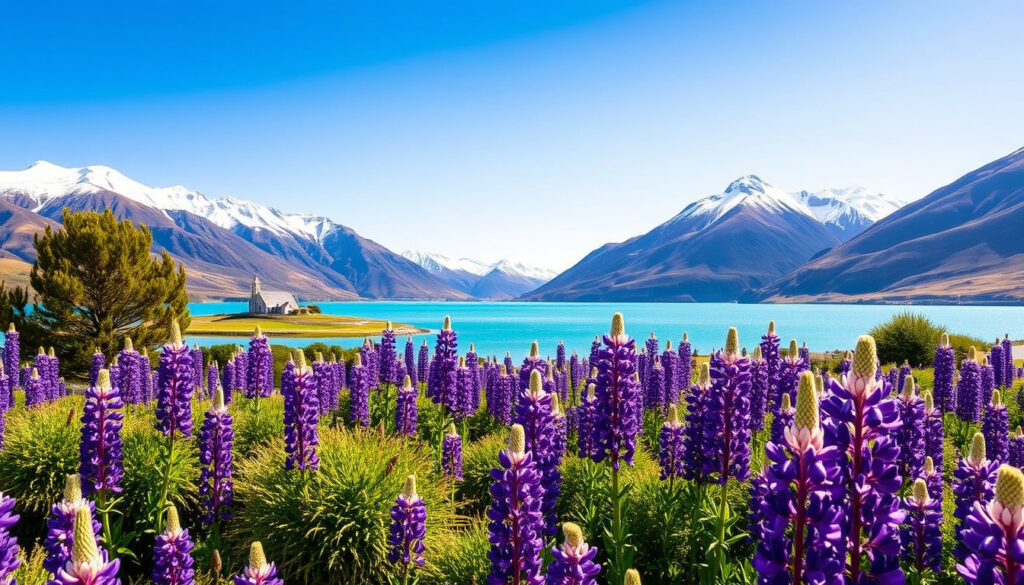
What to Do in Tekapo – Top Activities, Itineraries and Tips
Lake Tekapo sits in New Zealand’s Mackenzie Basin, drawing visitors with its striking turquoise waters, dark skies certified as an International Dark Sky Reserve, and a compact village that punches well above its weight for attractions. The area offers everything from star-gazing sessions and thermal pools to mountain trails and historic landmarks, all reachable via sealed roads. Whether passing through for a day or basing yourself for longer, understanding what this corner of the South Island has to offer helps travellers make the most of their time here.
The township itself numbers only a few hundred permanent residents, yet welcomes thousands annually who come for the landscapes, the astronomy, and the relatively uncrowded feel compared to busier New Zealand destinations. Most highlights cluster within a short drive of the lakefront, making Lake Tekapo particularly suited to short stays and weekend escapes. Several activities work across seasons, though some shine brighter at particular times of year, and knowing the difference can shape how travellers prioritise their itinerary.
What Are the Best Things to Do in Lake Tekapo?
Visitors typically find a mix of free and paid attractions that cater to different interests and budgets. The following grid captures the standout experiences most frequently mentioned by those who have explored the area.
Dark Sky Reserve stargazing with guided tours and observatory access
Church of the Good Shepherd with its iconic stone exterior and water vistas
Tekapo Springs thermal pools with lake panoramas and family facilities
Mt John Summit Track with 360-degree outlook and Astro Cafe
Beyond those headline attractions, several insights emerge from how visitors spend their time in the area:
- The Aoraki/Mackenzie Dark Sky Reserve is one of only a handful globally certified for minimal light pollution, making night-sky viewing a defining experience
- Most trails and viewpoints require no fees, with costs confined mainly to paid activities like pools, tours, and observatory access
- The township remains small enough that a car, while helpful, is not essential for experiencing the core attractions
- Family-friendly options abound, from the lakefront playground to shallow swimming areas safe for children
- The surrounding Mackenzie Basin offers side-trip possibilities to Lake Pukaki and Aoraki/Mount Cook National Park
- Seasonal highlights include wildflower displays in spring and the clearest astronomical conditions during winter
- The village contains enough cafes, shops, and services to support multiple days without feeling starved for amenities
| Category | Details |
|---|---|
| Location | South Island, New Zealand, Mackenzie Basin |
| Township Population | Approximately 500 permanent residents |
| Signature Designation | Aoraki/Mackenzie International Dark Sky Reserve |
| Key Activities | Stargazing, hiking, hot pools, water sports, scenic flights |
| Peak Visitation | Summer months (December–February) |
| Road Access | Fully sealed roads to all main attractions |
| Recommended Stay | 1–2 nights for core highlights |
Church of the Good Shepherd
The small stone church constructed in 1935 occupies a prominent position at the water’s edge, its modest scale and setting making it one of the most photographed structures in New Zealand. Visitors arrive throughout the day, though those seeking quieter shots often time their visits for early morning or the hour before sunset. The building remains an active place of worship, which means interior access can be limited depending on scheduled services. A short walk from the main lakefront car park brings visitors to the church and the nearby Mackenzie Sheepdog Statue, another free photo opportunity that draws regular crowds.
Stargazing Experiences
Night-sky tourism ranks among Lake Tekapo’s strongest drawcards, supported by the surrounding Dark Sky Reserve’s certification and the presence of the Mt John Observatory. Organised stargazing tours range from basic offerings to premium experiences that include access to observatory telescopes and guided explanations of celestial objects. Chameleon Stargazing provides a 90-minute session priced around $65 per person, with hot chocolate included. For those preferring to combine relaxation with astronomy, Tekapo Springs offers a hot pools and stargazing package from approximately $119 per adult. Conditions for night-sky viewing improve significantly during winter months when atmospheric clarity typically peaks, though operators maintain indoor virtual-reality alternatives for evenings when clouds move through.
Stargazing tours book up quickly during winter and school holidays. Reservations made at least a few days in advance help secure preferred time slots and avoid disappointment, particularly for the observatory-access experiences.
Hiking Opportunities
The trail network around Lake Tekapo accommodates various fitness levels and time budgets. The Mt John Walkway remains the most popular option, requiring roughly one to two hours of ascending effort to reach the 1,029-metre summit where panoramic views across the lake and basin unfold. Those who prefer to skip the climb can drive to the top for a small fee, though the walk itself is free. At the summit, the Astro Cafe provides a place to rest and refuel before descending. The Peninsula Walkway offers a shorter loop of approximately 30 to 60 minutes running along the Mt John foreshore, making it suitable for families and those wanting lake views without a significant elevation gain. A third option follows the lakefront south toward the Church and Pines Beach, taking around 30 minutes and passing a playground with a flying fox that appeals to younger visitors.
| Trail | Duration | Highlights | Cost |
|---|---|---|---|
| Mt John Walkway | 1–2 hours ascent | 360° lake views, observatory, Astro Cafe | Free (drive option ~$10–15) |
| Peninsula Walkway | 30–60 minutes | Lakefront views, easy terrain | Free |
| Lakefront to Church | 30 minutes | Playground, swimming access, beach | Free |
Water Activities and Family Features
Warmer months open the door to kayaking and stand-up paddleboard rentals available from operators operating near the pebble beaches. The lake remains cold year-round due to its glacial origins, so swimming happens for refreshment rather than extended periods. Children benefit from the lakefront playground, the flying fox, and the shallow areas near the beach that provide safe entry points. A petting zoo in the area introduces visitors to sheep, goats, and deer at modest cost, while the Mackenzie Sheepdog Statue offers a no-cost photo opportunity that requires no time commitment.
What Is the Best Time to Visit Lake Tekapo?
Season shapes the character of a visit considerably. Summer, spanning December through February, brings the warmest temperatures and longest daylight hours, making it the natural choice for hikers, photographers chasing wildflower displays, and families with school-age children. The lupin fields that bloom along roadsides during spring draw their own following, though the peak of that display varies somewhat from year to year. Summer also means larger crowds, with mid-December through February seeing the highest volume of visitors and accommodation filling accordingly.
Winter transforms the experience in ways that appeal particularly to astronomy enthusiasts. The skies achieve their clearest conditions between June and August, reducing atmospheric moisture and offering extended periods of darkness. Stargazing tours operate at their most reliable, and the absence of summer crowds makes the village feel quieter and more intimate. Temperatures drop noticeably, and some facilities reduce their hours or close seasonally, so checking opening schedules becomes more important for winter visitors.
Autumn and early spring occupy a middle ground—fewer visitors than summer, acceptable weather for most outdoor activities, and a better chance of securing accommodation without peak-season pricing. Those flexible with dates may find these shoulder seasons deliver a satisfying balance.
Weather Considerations
The Mackenzie Basin sits in a rain shadow created by the Southern Alps, resulting in generally lower rainfall than many other parts of the South Island. However, cold fronts can move through quickly, bringing sudden wind, rain, or snow even during supposedly stable seasons. Layers serve visitors well regardless of when they arrive, and checking short-range forecasts before committing to outdoor plans helps avoid unpleasant surprises.
Where to Stay in Lake Tekapo?
Accommodation clusters around the village centre and along the lakeshore, with options ranging from holiday parks and backpacker hostels to motels and standalone holiday homes. Lakeside lodges position guests closest to the waterfront, while holiday parks and Airbnbs scattered through the village provide practical bases at various price points. The compact nature of the settlement means most accommodation sits within a short drive or walk of the Church, Tekapo Springs, and trailheads.
Booking ahead makes the most difference during summer and school holidays, when demand regularly outstrips supply. Those travelling outside peak periods often find availability opens up considerably, sometimes allowing last-minute reservations at more competitive rates. A small supermarket and several cafes in the village provide basic supplies, reducing the need to travel far for everyday essentials.
During major holiday periods and events, accommodation in the Mackenzie Basin fills quickly. Visitors planning summer trips or winter stargazing sessions during school holidays benefit from reserving several weeks in advance.
How Many Days to Spend in Lake Tekapo?
Two days comfortably covers the principal attractions without feeling rushed. A typical first day might begin with a walk from the lakefront to the Church, continue with either the Mt John summit hike or a drive to the top, pause for refreshments at the Astro Cafe, spend the afternoon at Tekapo Springs, and finish with sunset at the Church before an evening stargazing session. The second day allows for water-based activities like kayaking or paddleboarding, a side trip to Lake Pukaki or Aoraki/Mount Cook National Park, and a leisurely departure.
One night suffices for travellers passing through who want only to tick off the essential highlights—perhaps the Church, one short walk, and an evening stargazing tour. Those wishing to use Lake Tekapo as a base for exploring Aoraki/Mount Cook National Park may extend their stay by an additional one to two nights, though this shifts the focus away from Tekapo-specific experiences.
A Practical Two-Day Outline
Day one starts at the lakefront, making the brief walk to the Church while morning light remains manageable. The Mt John Walkway ascent occupies the late morning and early afternoon, with the Astro Cafe providing a convenient stopping point. The afternoon opens up for Tekapo Springs, allowing time to soak before temperatures drop. Evening brings dinner and then the stargazing experience, whether through an independent tour operator or the combined Springs-and-stars package.
Day two allows a slower start before renting kayaks or paddleboards from the beach operator. The Lake Pukaki side trip, roughly a 30-minute drive, adds a second glacial lake to the itinerary and opens views toward Aoraki/Mount Cook on clear days. Alternatively, horse trekking, a 4WD tour to Braemar Station, or a scenic helicopter flight fills the morning before departure.
Unique Experiences in Lake Tekapo
Beyond the headline attractions, several experiences differentiate Lake Tekapo from other South Island destinations. These include opportunities not easily found elsewhere in New Zealand and lesser-known spots that reward visitors who venture beyond the obvious itinerary.
Tekapo Springs Hot Pools
The thermal pools maintain water at approximately 37.5 degrees Celsius, with temperatures consistent across the various basins. Views across the lake and surrounding mountains provide a scenic backdrop that enhances the relaxation factor. Families with children find dedicated areas including slides and tubes, while the combination packages that pair pool access with stargazing create an experience New Zealand tourism authorities highlight as distinctive. Standard entry runs approximately $30–50 per adult, with packages for combined experiences available at additional cost.
Hidden Gems Worth Discovering
The Maclaren Footbridge crossing the Macauley River offers a simple viewpoint that receives far less attention than the Church. Jack Rabbit cafe provides a morning coffee stop popular with locals that tourists frequently overlook. On Mt John, those who wander beyond the observatory buildings sometimes encounter sheep, horses, and a goat that residents have noted in passing. A small deer referred to colloquially as a “bison” by some visitors adds an unusual sighting for those keeping watch. The Dark Sky Diner attracts evening crowds seeking drinks as the sun drops, offering a social atmosphere distinct from the more contemplative stargazing sessions that follow.
Scenic Flights and 4WD Tours
For visitors wanting perspectives unavailable from ground level, helicopter and fixed-wing scenic flights depart from the local airfield, showcasing the Mackenzie Basin, Aoraki/Mount Cook, and the glacial systems from above. Prices start above $100 per person and vary based on duration and route. Four-wheel-drive tours to Braemar Station venture into high-country terrain with views toward both Lake Tekapo and Lake Pukaki, often including commentary on sheep farming operations and local history. Roundhill Ski Area opens during winter months for skiing and snowboarding, adding a cold-season option for those with snow on their agenda.
Planning Your Lake Tekapo Visit
Understanding the practical dimensions of a visit helps travellers allocate time and budget appropriately. The following breakdown covers approximate costs for common activities.
| Activity | Approximate Cost (NZD per adult) |
|---|---|
| Stargazing tour | $65–150 |
| Tekapo Springs entry | $30–50 |
| Kayak or SUP rental | $20–40 per hour |
| Mt John drive | $10–15 |
| 4WD or helicopter tour | $100+ |
| Hiking, Church, lakefront | Free |
Getting Around and Accessibility
All major attractions connect via sealed roads suitable for standard vehicles. The Mt John Observatory and Tekapo Springs both have designated parking areas. The lakefront and immediate surroundings include wheelchair-accessible spaces, though some hiking trails involve steep sections unsuitable for mobility devices. Those relying on public transport will find limited options, making self-drive the practical choice for most visitors. The Department of Conservation manages surrounding tracks and scenic reserves, providing up-to-date information on conditions and closures.
What Visitors Can Expect Versus Uncertainties
Travellers benefit from understanding what can be relied upon and what remains variable when planning a Lake Tekapo visit.
| Established | Variable |
|---|---|
| The Church and Mt John remain open year-round | Specific tour operator availability changes seasonally |
| Tekapo Springs operates daily with seasonal hours | Wildflower timing varies by week and year |
| Dark Sky Reserve designation applies consistently | Cloud cover on any given night cannot be predicted far in advance |
| Sealed road access to all major attractions | Road conditions during rare severe weather events |
| Village services and cafes operate on consistent schedules | Some seasonal operators reduce or pause services off-peak |
Why Lake Tekapo Stands Out in the Mackenzie Region
The Mackenzie Basin occupies a distinctive niche within New Zealand tourism, combining agricultural heritage with natural attractions that draw visitors for different reasons throughout the year. Lake Tekapo functions as the largest serviced settlement in this stretch of inland South Island, offering a level of infrastructure that supports tourism without the scale found in places like Queenstown or Christchurch.
What separates Lake Tekapo from nearby Lake Pukaki or the Aoraki/Mount Cook area is its combination of year-round accessibility, accommodation density, and the specific draw of the Dark Sky Reserve. While Lake Pukaki provides striking views and closer proximity to Aoraki/Mount Cook, it lacks the village services and thermal attractions that give Lake Tekapo its practical appeal. Similarly, Aoraki/Mount Cook National Park offers grander mountain scenery but fewer built facilities and less variety in accommodation styles.
New Zealand’s official tourism platform describes Lake Tekapo as a destination where “the turquoise waters of the glacial lake meet the clear night skies of the Dark Sky Reserve, creating an experience that blends natural beauty with astronomical wonder.”
Sources and Guidance
Information in this overview draws from multiple travel publications covering the South Island, official New Zealand tourism resources, and feedback from visitors who have documented their experiences. The Dark Sky Reserve designation and observatory access information comes from the International Dark Sky Association and local operator communications. Costs represent approximate figures and fluctuate with seasonal adjustments and currency variation.
Travellers seeking the most current details on specific operators, pricing, and conditions should consult the official Lake Tekapo tourism website or the New Zealand tourism platform before finalising plans.
Summary
Lake Tekapo delivers a concentrated mix of natural scenery, astronomical experiences, and outdoor activities within a small, accessible area. The combination of the Dark Sky Reserve, thermal hot pools, Mt John hiking, and the iconic Church of the Good Shepherd provides enough variety to reward either a single packed day or a more leisurely two-night stay. Free attractions including lakefront walks, short trails, and the sheepdog statue help balance costs against paid experiences like stargazing tours and thermal pools. Those planning a visit should consider whether their priorities align better with summer hiking conditions or winter’s clearer skies, and should book accommodation ahead during school holiday periods. For travellers incorporating New Zealand travel into broader plans, the Public Holidays NZ 2024 – Dates Pay Rules Guide may help identify optimal travel windows, while What to Do in Nelson – Ultimate 2025 Guide offers a comparison point for other South Island destinations.
Frequently Asked Questions
Is Lake Tekapo suitable for young children?
Yes. The lakefront includes a playground and shallow swimming areas. Tekapo Springs has family zones with slides and tubes, and most walking trails suit children who can manage the terrain.
Can you see the Southern Lights from Lake Tekapo?
The Aurora Australis occasionally appears in southern New Zealand skies, though it is not a reliable or predictable attraction. Stargazing tours focus primarily on stars, planets, and other celestial objects visible year-round.
How far is Lake Tekapo from Aoraki/Mount Cook?
The drive takes approximately one hour, making it feasible as a long day trip or as a side excursion during a Lake Tekapo stay. Lake Pukaki sits roughly halfway, offering views of Aoraki/Mount Cook along the way.
Do you need a car to visit Lake Tekapo?
A car provides flexibility, particularly for reaching Mt John and accessing surrounding attractions. However, the village core, lakefront, and main walking routes remain accessible on foot from most accommodation.
What should I pack for a Lake Tekapo visit?
Layers accommodate the region’s changeable weather. Walking shoes support trail exploration, while warm clothing and a headlamp prove useful for evening stargazing sessions regardless of season.
Are there food options in Lake Tekapo village?
Several cafes and a small supermarket serve basic needs. For a compact village, variety exists, though those with specific dietary requirements may wish to check availability in advance.
Is it safe to swim in Lake Tekapo?
The lake is safe for swimming, though temperatures remain cold due to glacial origins. Children should be supervised near the water, particularly during windy conditions when waves increase.
When is the lake most crowded?
Peak visitation occurs during the New Zealand summer school holidays, roughly late December through late January. Mid-week visits during this period experience somewhat lower volumes than weekends.
More related posts
 How to Get Oil Stains Off Clothes: Dish Soap & Baking Soda
 Eye Test Near Me: Ireland Costs, Free Options & Stores
 Olivia Dean NZ Tour 2026: Dates, Sold Out Status & What We Know
 Warehouse Stationery Near Me: Find Stores, Hours & Services
 Roblox.com/redeem Code: How to Redeem (2025)
 Ben Lomond Hike Queenstown: Guide to Distance, Difficulty & Tips
 Curtain Track Runners Wellington: Suppliers & Options