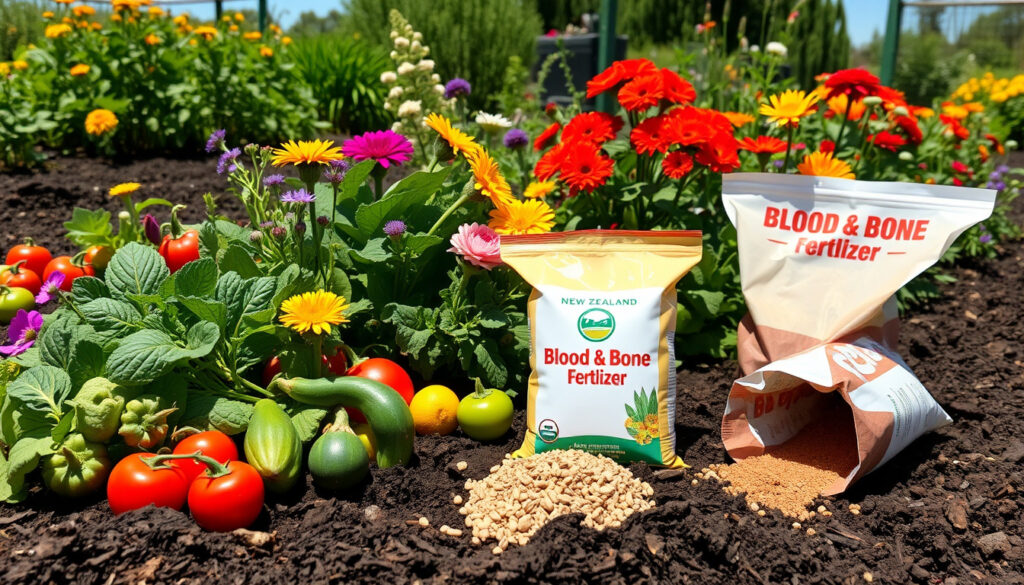
Blood and Bone Fertilizer – NZ Gardening Guide
Blood and bone fertilizer remains a staple for New Zealand gardeners seeking organic soil enrichment. Made from processed blood and bone meal, this slow-release product delivers essential nutrients while improving overall soil structure. Understanding its benefits, limitations, and practical applications helps gardeners make informed decisions about incorporating it into their growing routines.
Tui Blood & Bone represents one of the most widely available options in New Zealand garden centers. The product carries BioGro certification, confirming its suitability for organic growing systems. Available in multiple bag sizes, it serves gardeners maintaining everything from small vegetable plots to extensive garden beds.
What Is Blood and Bone Fertilizer Good For?
This organic fertilizer excels at supporting healthy plant development through two primary nutrients. Natural nitrogen drives lush foliage growth, while phosphorus strengthens root systems. Together, these elements promote vigorous plants capable of withstanding environmental stress.
Tui Blood & Bone carries an N-P-K ratio of 7-4-0, meaning approximately 7% nitrogen, 4% phosphorus, and no potassium. This balance makes it particularly effective for leafy growth and root establishment rather than flowering or fruiting.
Nutrient Composition Breakdown
The nutrient profile makes blood and bone particularly valuable during specific growth phases. Spring application coincides with active vegetative growth, while autumn use supports root development before winter dormancy. The slow-release nature ensures nutrients remain available to plants over extended periods rather than washing away quickly.
| Aspect | Details |
|---|---|
| N-P-K Ratio | 7-0-0 (Nitrogen primary) |
| Phosphorus Content | 4% (Root development) |
| Release Type | Slow-release organic |
| Certification | BioGro certified organic |
| Best Application | Garden beds (not containers) |
| Application Timing | Spring and autumn |
What Plants Don’t Like Blood and Bone?
Blood and bone fertilizer suits most garden plants, but certain species warrant caution. Phosphorus-sensitive plants may experience stress when exposed to high phosphorus levels. Some native New Zealand species and members of the Ericaceae family—such as rhododendrons and azaleas—have evolved in low-phosphorus environments and may not benefit from this product.
Low-nutrient preferring species also present challenges. Plants adapted to poor soils might suffer if over-fertilized with blood and bone products. Gardeners cultivating these specific plants should research alternative feeding approaches or consult with local garden centers about suitable alternatives.
Phosphorus-sensitive natives and ericaceous plants may struggle with blood and bone fertilizer due to its elevated phosphorus content. General organic fertilizer caution applies—always match fertilizer choice to plant requirements.
Application Guidelines for Sensitive Plants
For gardens containing phosphorus-sensitive species, separate application zones work best. Apply blood and bone only to designated beds while keeping sensitive plants in distinct areas. Alternatively, explore low-phosphorus organic options specifically formulated for native plantings.
What Is the Best Blood and Bone Fertilizer?
Several products populate the New Zealand market, though Tui Blood & Bone consistently emerges as a leading choice. Its BioGro certification provides confidence for gardeners committed to organic growing practices. The product enjoys widespread availability across garden centers and rural suppliers throughout the country.
Other brands exist, but verification of organic certification and nutrient content helps ensure quality results. Gardeners prioritizing proven track records often select products with established reputations in the local market.
Key Advantages of Quality Products
- Consistent nutrient release matching plant needs throughout the growing season
- Soil conditioning properties that support earthworm and microbial activity
- Trusted organic certification from recognized bodies
- Multiple bag sizes accommodating various garden scales
- Established presence in New Zealand garden centers
Blood and Bone Fertilizer Availability and Sizes
Tui Blood & Bone reaches New Zealand gardeners in three bag sizes: 2.5kg, 8kg, and 20kg. This range accommodates everyone from urban gardeners with small plots to those managing larger productive gardens. Farmlands stocks the 8kg option with consistent availability, though specific pricing for the 20kg size requires direct inquiry with retailers.
Practical Size Guide
Smaller 2.5kg bags suit occasional garden use or first-time trialing. The 8kg size represents the sweet spot for regular home gardeners maintaining mixed vegetable and flower beds. Larger 20kg bags appeal to those with extensive garden areas or small-scale growing operations seeking better value.
For new planting, apply 250g (approximately 1½ cups) per square meter, mixing thoroughly into soil before watering. Established plants require 170g (about 1 cup) per square meter, applied around the base and watered well.
Where to Purchase
Major retailers stock these products, though specific availability varies by location and season. Garden centers including Palmers, rural suppliers like Farmlands, and specialty retailers such as Pestrol carry Tui Blood & Bone in various sizes. Online purchasing through retailer websites often includes delivery to most New Zealand addresses, with dispatch typically occurring within two to five business days.
Blood and Bone Liquid Fertilizer Options
Search results indicate no liquid formulation currently exists for Tui Blood & Bone or comparable products from major New Zealand suppliers. The solid granular form remains the standard presentation available through retailers. Gardeners specifically seeking liquid organic fertilizers may need to explore alternative product ranges or specialty garden suppliers operating outside the major retail chains.
Understanding What’s Established and What Remains Unclear
Several aspects of blood and bone fertilizers rest on solid ground. The nutrient content—particularly nitrogen and phosphorus levels—appears consistently documented across sources. Benefits for foliage growth, root development, and soil conditioning enjoy widespread recognition.
Certain details remain less certain. Exact N-P-K ratios vary between manufacturers, meaning products labeled as blood and bone may deliver slightly different nutrient concentrations. Pricing and availability fluctuate seasonally and by retailer, making real-time verification necessary before purchase. Liquid formulations, as noted, appear unavailable from major suppliers, though specialty alternatives might exist through smaller retailers.
Benefits and Usage in New Zealand Gardens
For New Zealand gardeners, blood and bone fertilizers represent a time-tested approach to organic growing. The emphasis on soil health rather than rapid feedings aligns well with sustainable gardening principles. Earthworm activity increases as soil biology improves, creating self-sustaining fertility cycles over time.
Application during spring supports active growth when plants most benefit from nutrient availability. Autumn application prepares plants for winter dormancy while strengthening root systems for the following season. The slow-release formulation means fewer applications required compared to synthetic alternatives.
What Sources Say
“Promoting healthy plant growth”
Tui Garden Products
Product descriptions consistently emphasize foliage improvement and root development as primary benefits. Soil conditioning receives particular attention, with suppliers noting positive effects on earthworm populations and microbial activity that supports organic matter decomposition.
“A classic Kiwi favourite for thriving gardens”
Pestrol
Such endorsements appear frequently in product marketing, reflecting blood and bone’s established reputation among New Zealand gardeners. While marketing language should be approached critically, the consistency of these claims across independent retailers suggests genuine customer satisfaction.
Summary
Blood and bone fertilizer offers New Zealand gardeners an organic approach to soil enrichment, providing natural nitrogen and phosphorus in a slow-release form suited to garden beds. Products like Tui Blood & Bone deliver proven benefits for foliage growth, root development, and soil conditioning when applied according to recommended guidelines.
For other gardening equipment considerations, see the overview of Hot Water Heat Pumps – Cost-Effective Water Heating.
Is blood and bone fertilizer safe for vegetables?
Yes, it ranks among the safer organic options for vegetable gardens. Applied at recommended rates, it provides nutrients without harmful residues affecting food crops.
How often should I apply blood and bone fertilizer?
Twice yearly application—once in spring and again in autumn—typically suffices for most garden situations, aligned with active growing and root preparation phases.
Can I use blood and bone in potted plants?
Product guidance specifically advises against container use. Garden beds provide the appropriate environment for this organic fertilizer’s soil conditioning benefits.
Does blood and bone affect soil pH?
Blood and bone generally supports healthy soil biology rather than dramatically altering pH levels. Specific effects vary depending on existing soil conditions and application history.
How should I store blood and bone fertilizer?
Keep the product sealed in its original packaging and stored in a dry location. Proper storage maintains effectiveness and prevents attractive odors from developing.
What does blood and bone fertilizer smell like?
The organic composition produces an earthy aroma that dissipates quickly after soil incorporation and watering.
More related posts
 What Are Tonsil Stones – Causes, Symptoms, Safe Removal
 Compare Term Deposit Interest Rates NZ: Best Bank Rates
 Electoral Roll Search by Name: Free Ways to Find Someone
 Fisher and Paykel Appliances: Bosch & Miele 2025 Comparison
 Bee Venom Cream NZ: Does It Work, Side Effects & Where to Buy
 How to Reset Network Adapter in Windows 10/11 (Guide)
 LG 65 Inch TV vs Samsung: Which One Lasts? | 2025 Review
 Desktop Computers for Sale Ireland: Best Deals & Buying Guide