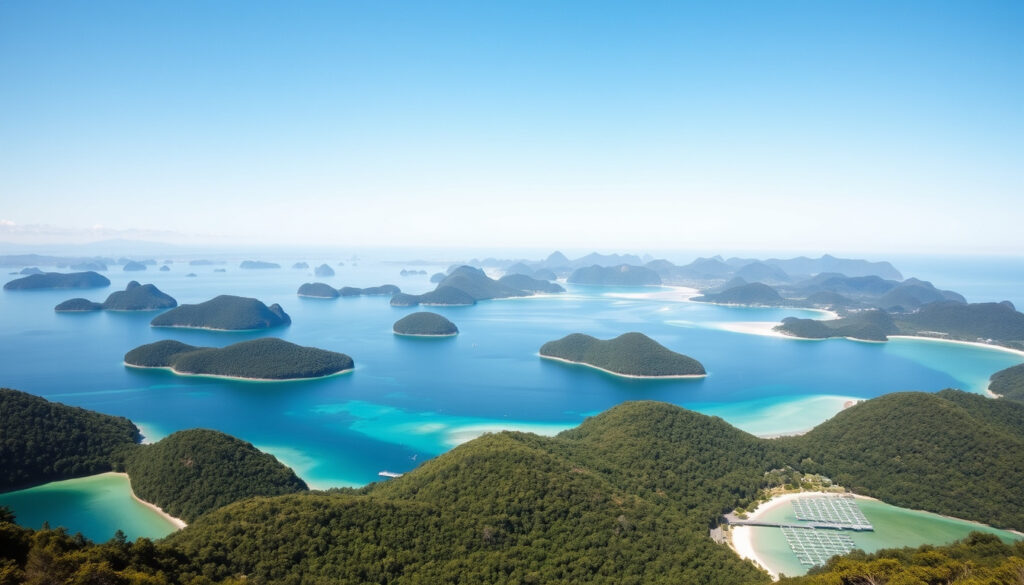
Things to Do in Paihia – Bay of Islands Guide 2025
Best Things to Do in Paihia: Ultimate 2025 Guide
Paihia sits at the heart of New Zealand’s Bay of Islands, serving as the region’s primary launch point for maritime adventures, cultural discovery, and coastal exploration. This small waterfront town on the Northland coast draws visitors seeking everything from dolphin-watching cruises to historic Treaty Grounds and secluded waterfall walks. Whether passing through for a day or settling in for a long weekend, the area offers a blend of natural attractions, heritage sites, and family-friendly activities that showcase why the Bay of Islands remains one of the country’s most visited destinations.
The town itself centres around a modest harbour, with most attractions reachable on foot or by short boat ride. Paihia’s compact layout makes it practical as a base, while the surrounding region extends from Russell across the water to remote forest tracks and sweeping northern beaches. Visitor priorities tend to divide between the iconic Hole in the Rock cruise, the significant cultural weight of the Waitangi Treaty Grounds, and the string of golden beaches that line the coast.
What Are the Best Things to Do in Paihia?
Four experiences consistently rank highest among those who visit Paihia, forming the backbone of most itineraries in the Bay of Islands region.
- Hole in the Rock Cruise — This three-hour boat journey from Paihia Wharf ventures north toward Motukōkako, the natural sea arch that gives the tour its name. Depending on conditions, vessels pass through the rock formation itself. Dolphins appear regularly during summer months, and the route passes Cape Brett Lighthouse before returning past island clusters. Tickets start from NZ$86 per adult, with options including island stops, snorkelling gear, or lunch on Urupukapuka Island.
- Paihia Beach — A sheltered stretch of golden sand within walking distance of the town centre. The beach suits swimming, sunbathing, and paddleboard hire, with wheelchair-accessible ramps and a promenade connecting the waterfront to nearby cafes. Views extend across the bay toward Russell and the outer islands.
- Haruru Falls — A waterfall with both boardwalk access and kayak tour options, reachable by road or sea. The loop track offers a straightforward walk through wetland terrain, while guided kayak trips (approximately three hours, NZ$85) provide a closer perspective of the falls and surrounding waterways.
- Waitangi Treaty Grounds — The site where New Zealand’s founding document was signed in 1840. Located a 30–40 minute walk or short drive from Paihia, the grounds include a museum, guided tours, a Māori cultural performance, and the world’s largest war canoe. Entry costs NZ$50 for international visitors and NZ$25 for New Zealand residents.
The Hole in the Rock cruise consistently earns top ratings of 4.5 to 4.9 out of 5 across visitor platforms. Summer months (December through February) offer the warmest conditions at 20–25°C and the best odds of dolphin sightings. Budget travellers can fill several days without paid activities by focusing on beaches, coastal walks, and the town waterfront. Families with young children should note that while boat tours and glowworm caves work well for all ages, some of the longer hiking tracks may prove demanding for small legs.
| Quick Fact | Details |
|---|---|
| Location | Northland coast, Bay of Islands, approximately 230 km north of Auckland |
| Best Season | Summer (December–February); shoulder seasons offer fewer crowds |
| Average Temperature | Summer 20–25°C; Winter 10–15°C |
| Top-Rated Activity | Hole in the Rock cruise (4.5–4.9/5 rating) |
| Daily Budget Estimate | NZ$150–300 per person for activities, excluding accommodation and food |
| Accommodation Range | NZ$100–200 per night (motels, holiday parks, boutique options) |
| Getting There | Drive from Auckland (3–3.5 hours) or fly to Kerikeri; local ferry connects Paihia to Russell |
Top Outdoor Adventures and Boat Tours in Paihia
Beyond the flagship Hole in the Rock journey, several boat-based options cater to different schedules and interests. The Island Hopper sailing catamaran runs a six-hour route through the bay at NZ$133 per person, stopping at multiple islands and providing time ashore at popular beaches. For those preferring a more hands-on experience, the tall ship Tucker Thompson departs from either Paihia or Russell and invites passengers to assist with the sails on a full-day voyage.
Water-Based Activities Beyond the Main Cruise
Sea kayaking to Haruru Falls represents a popular half-day option at NZ$85, with gear provided and the route winding through calmer waters. Moana Kayaks at Paihia Beach offers paddleboard and kayak hire for those who prefer independent exploration. Full-day catamaran charters, priced around NZ$127, serve groups seeking a private itinerary and the flexibility to linger at specific spots.
Hole in the Rock departures are weather-dependent—the iconic sail-through requires favourable conditions and may be cancelled on rougher days. Some operators offer flexible rebooking or partial refunds if conditions prevent passage through the rock. Booking ahead during summer peak (December through February) is strongly recommended, as vessels fill quickly and last-minute availability becomes limited.
Coastal Walks and Forest Trails
Several tracks radiate from Paihia in different directions. The Paihia to Opua Coastal Walkway follows the shoreline through mixed terrain with views across the bay. The Opua Forest Lookout Track climbs through regenerating bush to an elevated vantage point, while the Local Kauri Walk showcases some of the remaining kauri trees in the area. Rainbow Falls, as the name suggests, rewards hikers with a cascading waterfall at the trail’s end.
The Twin Coast Cycle Trail provides an off-road option for cyclists, linking coastal and inland sections with relatively gentle gradients. Kawiti Glowworm Caves combine an underground cave system with an Opua Forest walk in a half-day tour costing NZ$142 per person. The experience includes a short boat ride underground and views of glowworm displays that resemble a starry night sky.
Several tracks in the region pass through kauri forest, which remains vulnerable to a soil-borne disease known as kauri dieback. Visitors should stick to formed boardwalks and tracks, avoid touching kauri roots, and clean footwear before and after walks in forested areas. This precaution helps protect these ancient trees, some of which are over 1,000 years old.
Family-Friendly and Free Activities in Paihia
Paihia and the surrounding Bay of Islands region offer considerable variety for families travelling with children, with activities ranging from fully organised tours to completely free outdoor pursuits.
Activities That Work Well for Children
The Hole in the Rock cruise and Island Hopper sailing catamaran both appeal to younger visitors, combining marine wildlife sightings (dolphins appear regularly in summer) with beach time and snorkelling opportunities. Glowworm cave tours attract children curious about the luminescent display underground, with ticket prices running between NZ$133 and NZ$142 per adult. Sandboarding on the Te Paki Dunes, accessible through guided tours from Paihia, provides an adrenaline element that older children tend to enjoy.
For families preferring to stay closer to town, Paihia Beach provides safe swimming conditions and shallow water near the shore. The promenade offers flat, wheelchair-friendly walking routes, and the wharf area gives children a chance to watch boats coming and going. Paihia Central Park contains the dolphin sculpture that serves as a quirky photo opportunity.
No-Cost Options Around Paihia
Spending time at Paihia Beach itself costs nothing beyond reaching the waterfront. The promenade walk from the beach toward the town centre passes several cafes but requires no purchase. The Haruru Falls boardwalk forms a short, straightforward loop accessible by road, offering a natural attraction without an entry fee.
The Paihia to Opua Coastal Walkway and wharf viewpoints provide free sightseeing with minimal effort. Watching the sunset from the Paihia Pier requires only timing arrival for the evening hours. The Striped Marlin Statue at the wharf marks the harbour entrance and doubles as a navigational landmark. Visitors have also noted the appeal of simply wandering the town, sampling local craft beer at the Pizza Shack or dining at El Cafe without any activity fee attached.
Planning Your Paihia Trip: Best Time and Duration
Timing a visit to Paihia involves weighing weather preferences against crowd levels and activity availability. Summer months from December through February bring the warmest temperatures (20–25°C), the most reliable cruise conditions, and the highest likelihood of spotting dolphins. This peak season also means larger visitor numbers, higher accommodation prices, and the need to book tours well in advance.
Shoulder Seasons and Off-Peak Considerations
The shoulder seasons spanning October through November and March through April offer a middle ground. Crowds thin noticeably outside school holiday periods, accommodation becomes more available, and temperatures remain mild enough for most outdoor activities. Spring brings blooming vegetation and calmer seas, while autumn often features clear skies and stable weather patterns.
Winter (June through August) cools considerably, with daytime temperatures typically ranging between 10°C and 15°C. Water-based activities become less predictable as sea conditions turn rougher and swimming becomes impractical for many visitors. However, the Waitangi Treaty Grounds, glowworm caves, and shorter walks remain accessible regardless of season. Some boat cruises continue operating through winter, though passengers should check weather forecasts closer to departure dates.
How Many Days to Allocate
Most visitors find that two to three days covers the core experiences in Paihia and the immediate surrounding area. A single day can accommodate the Hole in the Rock cruise plus a visit to the Waitangi Treaty Grounds, though this leaves limited time for beaches or additional walks. Extending to two days allows for adding beach time, a kayak trip to Haruru Falls, or one of the coastal tracks. Three days or more permits the glowworm caves, a full-day sailing option, or a day trip across the water to Russell, with enough flexibility for weather-related changes to the itinerary.
Travellers heading further north toward Cape Reinga and 90 Mile Beach should plan additional time, as these destinations involve full-day tours departing from Paihia (typically NZ$115 per person) with travel times extending the overall trip duration.
Sample 2–3 Day Paihia Itinerary
The following outline represents a typical approach for visitors with limited time, combining the most popular activities with free-time buffers for weather adjustments or personal preferences.
- Day 1 Morning: Board the Hole in the Rock cruise departing from Paihia Wharf. The three-hour journey typically includes views of dolphins, passage past Cape Brett Lighthouse, and time at island stop options for swimming or beach exploration.
- Day 1 Afternoon: Return to Paihia Beach for swimming, paddleboard hire, or a relaxed waterfront lunch. Stroll the promenade toward town and watch boats at the harbour. Evening brings a sunset walk along the pier.
- Day 2 Morning: Visit the Waitangi Treaty Grounds for a guided tour and cultural performance. The museum provides context for New Zealand’s colonial history, and the grounds extend along the waterfront with views toward Paihia across the bay.
- Day 2 Afternoon: Travel to Haruru Falls by road or kayak. The boardwalk loop takes under an hour, while a guided kayak tour extends the experience to approximately three hours. Alternatively, hike the Rainbow Falls track for a different perspective on local waterways.
- Day 3 Morning: Explore the Kawiti Glowworm Caves with Opua Forest walk, or choose the Island Hopper sailing catamaran for a full morning on the water. Both options provide a different pace from the previous days.
- Day 3 Afternoon: Take the ferry to Russell (NZ$15–20 return, approximately five minutes crossing). Explore the quieter town, sample local cafes, and enjoy the beach before returning to Paihia.
What to Expect: Weather and Crowds
| Factor | Reliable / Established | Variable / Uncertain |
|---|---|---|
| Summer weather | Warm temperatures 20–25°C; frequent dolphin sightings; daily cruise operations | Specific daily conditions; precise wildlife encounter rates |
| Winter weather | Cooler 10–15°C; reduced sea temperatures affecting swimming | Cruise availability; specific rain patterns; visibility conditions |
| Crowd levels | Peak season December–February; school holidays see elevated numbers | Exact daily visitor counts; impact of weather on specific attractions |
| Tour operations | Hole in the Rock runs year-round subject to conditions | Specific tour departures during low season; last-minute cancellations |
Why Paihia Stands Out in Bay of Islands
The Bay of Islands encompasses a cluster of coastal towns, but Paihia occupies a distinct position as the primary service hub for the region. Its harbour hosts the majority of cruise departures, and the town’s central location provides easy access to cultural sites on one side and adventure activities on the other. The contrast with nearby Russell, a five-minute ferry crossing away, illustrates different approaches to regional tourism. Russell leans toward a quieter, more historic atmosphere with fewer organised activities, while Paihia offers a broader range of tours, dining options, and accommodation styles.
The sustainability dimension of visiting Paihia deserves attention. Several operators emphasise low-impact practices, particularly on kayak and sailing tours that keep group sizes small and minimise engine noise around marine wildlife. Kauri forest tracks in the area have implemented hygiene protocols to prevent the spread of kauri dieback disease, reflecting broader conservation priorities in Northland. Visitors choosing smaller-group experiences over large cruise vessels contribute to a more sustainable tourism model in an area that depends on maintaining the natural attractions drawing people in the first place.
Expert Tips and Sources
“Paihia works best as a base because everything radiates outward from the harbour. Spend the mornings on the water and the afternoons exploring on foot or by kayak.” — Local tourism guidance notes for the Bay of Islands region
“The bay’s dolphins are wild and their appearance depends on the season and conditions. No operator can guarantee sightings, but summer months offer the strongest odds.” — Visitor advisory from regional tourism sources
Next Steps for Your Trip
Reaching Paihia from Auckland involves either the 3–3.5 hour drive north along State Highway 1, or a flight to Kerikeri Airport followed by a short road transfer. Accommodation fills quickly during summer school holidays, so advance booking proves essential for December through February visits. Most attractions operate on flexible schedules, and many tours require minimum participant numbers to run—confirming bookings before arrival helps avoid disappointment.
Those planning explorations beyond the Bay of Islands may find helpful context in related regional guides. Our What to Do in Nelson – Ultimate 2025 Guide covers another of New Zealand’s key coastal destinations, while What to Do in Tekapo – Top Activities, Itineraries and Tips offers practical insights for visitors heading to the South Island’s lake country.
Frequently Asked Questions
Is Paihia worth visiting?
Paihia serves as the primary activity hub for the Bay of Islands region, making it a practical base for accessing boat cruises, the Waitangi Treaty Grounds, and coastal walks. Visitors interested in maritime adventures, Māori heritage, and beach environments generally find the area worthwhile.
Best time to visit Paihia?
Summer months from December through February offer the warmest weather and most reliable cruise operations, with dolphin sightings most likely during this period. The shoulder seasons of October–November and March–April provide fewer crowds with still-pleasant temperatures.
How many days do you need in Paihia?
Two to three days covers the core experiences including the Hole in the Rock cruise, Waitangi Treaty Grounds, and nearby walks or beaches. Those wishing to include glowworm caves, full-day sailing, or ferry trips to Russell may benefit from staying four days or longer.
What activities work well during winter?
The Waitangi Treaty Grounds, glowworm caves, and short forest walks remain accessible during winter (June–August). Some boat cruises continue operating, though sea conditions tend to be rougher and swimming becomes impractical due to cooler temperatures.
Are there free activities in Paihia?
Paihia Beach, the promenade stroll, Haruru Falls boardwalk, and wharf viewpoints offer no-cost options. Watching sunsets from the pier and exploring the town’s sculptures require no fees. Several dining venues provide opportunities to experience local food without activity charges.
How does Paihia compare to Russell?
Paihia offers more organised tours, a wider range of accommodation and dining, and serves as the departure point for most boat cruises. Russell across the bay provides a quieter atmosphere, historic character, and beaches without the tour-group activity. Many visitors choose to experience both during a single trip.
More related posts
 Kāinga Ora Social Housing Projects Canceled: 3,480 Homes Scrapped
 Jasmine Rice Water Ratio: Cook Fluffy Rice Every Time
 New Year’s Eve North Island Thunderstorms: Safety & Tracker
 Hair Cut Near Me: Dublin Costs, Styles & Salon Guide
 Lena the Plug and Johnny Sins Collaboration Timeline
 Best All-in-One Computers for Ireland: Pros & Cons